
Message from residency program director
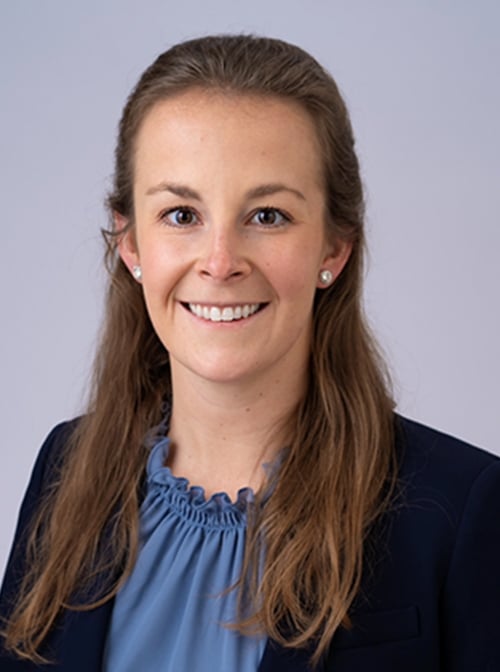
Thank you for your interest in our PGY2 Ambulatory Care Pharmacy Residency! The preceptors of this program and I eagerly await new residents and their energy, talent, and commitment to our profession. Our vision is to help you transition into a confident and empowered ambulatory care pharmacist ready to practice in a variety of primary care settings. In addition, we hope to instill in you a dedication to community and population health. We look forward to hearing from you!
Mara A. Moore, PharmD, BCACP
Ambulatory Pharmacist Clinician
PGY2 Ambulatory Care Pharmacy Residency Program Director
Penn Medicine Lancaster General Health
Email: Mara.Moore@pennmedicine.upenn.edu
Phone: 717-544-4056
Purpose statement
- A PGY2 pharmacy residency program builds on Doctor of Pharmacy (PharmD) education and PGY1 pharmacy residency program experience to contribute to the development of clinical pharmacists in specialized areas of practice
- PGY2 residencies provide residents with opportunities to function independently as practitioners by conceptualizing and integrating accumulated experience and knowledge, incorporating both into the provision of patient care or other advanced practice settings
- Residents who successfully complete an accredited PGY2 pharmacy residency are prepared for advanced patient care, academic, or other specialized positions, along with board certification, if available
Program overview
- The residency takes place in a network of primary care and specialty practices serving the greater Lancaster region in a teaching health system, Penn Medicine Lancaster General Health, in Lancaster, Pennsylvania
- The residency focuses on promoting population health, caring for medically complex patients with psychosocial needs, and serving the underserved community of Lancaster
- The goal of the residency is to expose the resident to a well-rounded ambulatory experience with learning experiences focused on the spectrum of primary care medicine
- The residency is geared to nurturing and rearing competent and confident ambulatory pharmacist clinicians
- The PGY2 Ambulatory Care Residency Program conducted by Lancaster General Health in Lancaster, Pennsylvania is accredited by ASHP
Learning experiences
Learning experiences are primarily longitudinal, and the resident will have an opportunity to choose elective learning experiences based on interest.
Learning experiences
Anticoagulation
Divided into two parts: Anticoagulation – Crooked Oak (three months), Anticoagulation – Norlanco (three months)
Pharmacist–led anticoagulation management is utilized by over seven LG Health Physicians family medicine practices and Ann Barshinger Cancer Institute specialty practice. Warfarin management is provided through an anticoagulation collaborative drug therapy management (CDTM) agreement. The pharmacists are also dedicated to anticoagulation stewardship, patient education, and a resource for other healthcare providers.
Cardiovascular diseases
The PGY2 resident will care for patients and be a resource for providers at a large cardiology practice. The resident will provide direct patient care in the Heart Failure (HF) and outpatient diuretic clinics. The pharmacists in these clinics utilize a collaborative drug therapy management (CDTM) agreement to perform medication titration of HF guideline directed medical therapy (GDMT), and protocols for the initiation of intravenous diuretic therapy.
Care connections
Care Connections is a temporary primary care practice for medically complex patients with psychosocial needs, serving an average of 100 patients. The team includes physicians, advanced practice providers, a pharmacist, a social worker, case managers, and patient navigators. Patient care areas include cardiology, endocrinology, nephrology, psychiatry, pulmonology, and more. During this experience, the resident will complete comprehensive medication therapy reviews including medication intakes for new patients, transitions of care services, and disease state management. Additionally, the resident will provide education to the Care Connections team.
Geriatrics
The PGY2 resident will work closely with geriatricians, nurse practitioners, and social work in a clinic-based setting to help build awareness in caring for the ambulatory older adult population. The resident pharmacist will conduct visits with older adults and their family/caregivers for various consults, such as chronic disease state management, polypharmacy and deprescribing, and will have additional counseling and patient education opportunities. A focus on seeing the importance of transitions of care for older adults, exposure to common “bread and butter” geriatric disease states, review and participation in advanced care planning, and end-of-life discussions will be seen during the learning experience. Additionally, the resident will be able to provide journal clubs, in-services, and/or case presentations to advocate for our growing population of elderly patients.
Medication Use Evaluation
This longitudinal learning experience encompasses both clinical and practice management components, providing the resident with the opportunity to complete a comprehensive Medication Use Evaluation (MUE). The primary goal of the MUE is to promote optimal therapy and ensure alignment with current standards of care. The resident will select an ambulatory care topic of interest that addresses organizational needs as well as lead and participate in all phases of the MUE process, including planning, data collection and analysis, interpretation of findings, and identification of future directions. The final MUE will be presented as a poster at the ASHP Midyear Clinical Meeting.
Orientation
This is a 4 week experience designed to introduce the PGY2 resident to Lancaster General Health’s pharmacy services. During this time, the resident will receive a comprehensive orientation to ambulatory pharmacy services, gain hands on experience in anticoagulation, population health, and primary care, and complete essential department trainings.
Outpatient Pharmacy Services
During this longitudinal experience, the PGY2 resident will gain comprehensive exposure to the health system’s outpatient pharmacy services. Residents will rotate through the outpatient and specialty pharmacy, where they will develop competencies in outpatient pharmacy practice, prior authorization management, specialty medication coordination, and navigation of copay assistance and patient assistance programs. Additionally, residents will participate in medication access clinics, where they will conduct initial patient visits and complete annual reassessments.
Population health
Population Health encompasses a broad scope of ambulatory pharmacist activities.
Payer Based Gaps in Care Initiatives: The ambulatory pharmacist clinicians work directly with stakeholders in the Accountable Care Organization as well as collaborating payers, through which the pharmacists provide clinical interventions addressing care gaps and cost savings initiatives for their patient populations.
Practice management
During this longitudinal experience, the PGY2 resident will assist the ambulatory clinical manager in a variety of projects, monitoring department metrics, and leadership activities. The resident will also attend pertinent management meetings and huddles.
Preceting and presentations
This longitudinal learning experience provides the PGY2 resident with opportunities to deliver formal medication management education and strengthen precepting skills throughout the residency year. Required activities include three major presentations: Pharmacotherapy Grand Rounds, Morning Report, and a regional or national conference presentation, along with developing and disseminating weekly ambulatory care pharmacy “Pearls of the Week” to clinicians and staff. The resident will also gain precepting experience through layered learning with PGY1 residents and pharmacy students.
Primary care
Divided into two parts: Primary Care 1 – Walter Aument (six months), Primary Care 2 – Lincoln (six months)
Pharmacists are integrated into more than ten LG Health Physicians family medicine practices across Lancaster County. Because of the diverse geographic distribution of these sites, residents gain experience serving a wide range of patient populations. These include individuals facing financial barriers to accessing medications, older adults, multiple chronic conditions, diverse communities, and those with differing levels of health literacy. Chronic disease management is provided through collaborative drug therapy management (CDTM) agreements established with providers. Examples of CDTMs include, but are not limited to, diabetes, hypertension, hyperlipidemia, asthma, COPD, and smoking cessation.
Ambulatory Collaborative Care Team (ACCT) is a group that consists of a nurse care manager, social worker, community health worker, and an ambulatory clinical pharmacist. The team works with the high-risk patient population within the organization. These patients are deemed high risk due to criteria such as at least three chronic illnesses, frequent hospitalizations and/or psychosocial barriers. The pharmacist’s role is to evaluate the referred patient’s medication profile, recommend a personalized treatment plan, provide patient education, and monitor for adverse effects. The pharmacist also assesses medication adherence, recommends cost effective medications, and addresses other medication-related concerns, as appropriate.
Research
This longitudinal learning experience integrates both clinical and practice management components, offering the resident the opportunity to complete a major research project. The purpose of the project is to immerse the resident in the research process with the goal of completing a study suitable for publication within the residency year. Each project is designed to align with organizational priorities and provide measurable value to the health system. Research may focus on clinical interventions or quality/performance improvement initiatives, with an emphasis on under-researched areas in pharmacotherapy or pharmacy practice. To qualify, the project must be novel, address a defined knowledge gap, and demonstrate potential to contribute meaningfully to the existing literature.
Service
The service learning experience will afford the resident the opportunity to contribute to the greater good of local communities within Lancaster County. Commitment to service is intended to enrich the learning experience by teaching civic duty, exposing the resident to real world situations, and developing community engagement while addressing local program specific needs.
Anticoagulation – LVAD
The Heart and Vascular Institute – Left Ventricular Assist Device (LVAD) clinic provides care to patients on outpatient mechanical circulatory support (MCS). This patient population is among the highest risk for thrombosis and bleeding of those on anticoagulation therapy. The pharmacist manages anticoagulation therapy through a collaborative drug therapy management agreement, serves as resource for drug information question/medication related needs, educates patients, provides anticoagulation recommendations for LVAD inpatients and transitions of care as requested, as well as assists with the development of AC related policies and procedures for patients with a LVAD.
Anticoagulation – precepting PGY1 resident
The purpose of this anticoagulation learning experience is to provide the PGY2 resident the opportunity to precept a PGY1 pharmacy resident at Crooked Oak Pharmacy Services Clinic. Prior to this learning experience, the resident will have successfully completed "Anticoagulation - Crooked Oak" and be able to function as an independent clinician at this site. Being already proficient in anticoagulation management, the focus will be on precepting rather than individual direct patient care by the PGY2 resident. The PGY2 resident will utilize the various preceptor roles (direct instruction, modeling, coaching, facilitating) while precepting the PGY1 resident.
Endocrinology
During this experience, the resident will work with patients of Diabetes and Endocrinology Specialists (DES). The pharmacist primarily works with patients with diabetes. The pharmacist works with the provider(s) to titrate and/or adjust medication regimens to more rapidly achieve therapeutic goals. These patients require closer follow up than the usual interval of 3-12 months. Some patients referred have been declined for surgery until they reach specific diabetes control parameters. The pharmacist works with these patients to reach goals required to be approved for surgery.
Family medicine education
This learning experience consists of two parts. During Part 1, the PGY2 pharmacy resident will precept a PGY1 pharmacy resident for their ambulatory care learning experience in chronic disease state management. During Part 2, the PGY2 pharmacy resident will have the opportunity to interact with medical residents in the ambulatory clinics. The family medicine residents rotate through LGHP Downtown Family Medicine and Walter Aument Family Health Center for their primary care clinic experience. This portion of the experience focuses on interdisciplinary learning. The PGY2 pharmacy resident will shadow the family medicine resident in clinic and be available as a pharmacist resource. They will also participate in family medicine education sessions including morning reports, noon conference, and grand rounds as professional development when clinic schedule allows.
Hematology/oncology
The hematology/oncology medication access clinic serves as a resource for patients initiated on new oral anticancer therapy. The PGY2 resident will provide education to patients on these agents, complete a comprehensive medication therapy review, and provide recommendations to the appropriate managing provider. In addition to the medication access clinic, the PGY2 resident will have the opportunity to gain exposure to other areas such as the outpatient Hematology and Medical Oncology clinic, Symptom Management Clinic, Palliative Care, and Infusion Pharmacy to serve as a pharmacist resource for the providers and other healthcare team members.
Infectious diseases/ HIV-AIDS
During this experience, the resident will work at Comprehensive Care. Comprehensive Care is dedicated to caring for those who are HIV positive, taking pre-exposure prophylaxis therapy, transgender, and family members of someone living with HIV. The multidisciplinary team consists of but is not limited to physicians (family medicine specialists and certified HIV specialists), nurses, social workers, and nutritionists.
Pain management
The inpatient pain management service optimizes medication therapy for patients with chronic and acute on chronic pain. The pain management service consists of a pharmacist only at this time. Some topics covered include, but are not limited to, nociceptive and neuropathic pain, equi-analgesic conversions, opioid-induced side effects, and adjunct pain medications. Responsibilities of the clinical pharmacy specialist include rounding with the inpatient pain management service or completing pharmacy pain consults, drug information, completion of pain-related initiatives, contribution to policy development as well as involvement several multidisciplinary meetings related to pain and addiction. The pharmacist also provides education to healthcare professionals as well as patients and caregivers. The PGY2 pharmacy resident will focus on patient cases that would be managed similarly in the ambulatory care setting as well as focusing on TOC and providing recommendations for pain regimens at discharge.
Rheumatology
Penn Medicine Lancaster General Health Physicians Arthritis & Rheumatology (ARS) serves as a specialty LGHP practice offering diagnosis, treatment, and management of various rheumatologic conditions such as lupus, osteoarthritis, osteoporosis, rheumatoid arthritis, Sjogren's syndrome, among others. The practice overall serves and treats comprehensive care for rheumatic conditions, along with education on self-injectable medications, geriatric fracture management, and various joint procedures/injections. The PGY2 resident will have the opportunity to complete co-visits with physicians and providers at ARS with a large focus on osteoporosis. Residents will also be able to complete specialty pharmacy counseling on rheumatologic agents such as parathyroid hormone analogs, adalimumab, secukinumab, and others as the service continues to grow.
Other electives per resident interest may be explored.
Professional development
Residents will have ample opportunity to provide medication and practice-related education to patients, caregivers, and healthcare professionals.
Our PGY2 pharmacy residency program offers numerous opportunities for professional development:
- Ambulatory P&T Committee – yearlong committee member
- Multidisciplinary committee opportunities
- Medication use evaluation and research
- Pharmacotherapy grand rounds – ACPE approved CE presentation to pharmacists
- Morning report – case-based presentation to family medicine residents and attending physicians
- Precepting experience with PGY1 pharmacy residents and pharmacy students
- Educational programs (optional) – The resident may choose to complete either a Teaching Certificate through Shanandoah University or a Preceptor Training Program through the American Pharmacists Association
- Family Medicine Residency Program – opportunities to work with and teach medical residents a variety of pharmacotherapy topics
- Preceptor development activities
- Rotation-specific presentations
Memberships
- American Society of Health-System Pharmacists (ASHP)
- Southeastern Pennsylvania Society of Health Systems Pharmacists (SE-PSHP)
Conferences
- ASHP – Midyear Clinical Meeting
- Regional Research Residency Conference
Salary and benefits
The resident salary is very competitive with excellent fringe benefits. Health care, dental, vision and free on-site parking are available. Lancaster County, Pennsylvania enjoys a high quality living standard at a surprisingly low cost.