
Annual general surgery residency and departmental awards
Awarded to the Surgical Resident whose Surgical Investigation Approaches an Ideal Epitomized by the Harrison Department of Surgical Research.
Selected by Surgical Research Award Committee
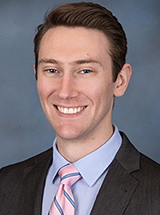
2026 Award Winners – Benjamin F. Smood, MD,MS
Previous Winners
- Jack DePaolo, MD, PhD - 2025
- Sara Palazzo Ginzberg, MD, MSHP - 2024
- Feredun Azari, MD - 2023
Basic Science/Translational Research - Cimarron Sharon, MD - 2023
Clinical Research - Gregory T. Kennedy, MD - 2022
- Justin Hatchimonji, MD - 2021
- Yun Song, MD - 2020
- Victoria M. Gershuni, MD, MSGM, MTR - 2019
- Brett L. Ecker, MD - 2018
- Carol W. Chen, MD - 2017
- David D. Aufhauser, Jr., MD - 2016
- Jashodeep Datta, MD - 2015
- John W. MacArthur, MD - 2014
- Eric K. Shang, MD - 2013
- Caroline E. Reinke, MD - 2012
- William Hiesinger, MD - 2011
- Demetri Merianos, MD - 2010
- Robert E. Roses, MD - 2009
- Carter Paulson, MD - 2008
- Michael Wilderman, MD - 2007
- Mark F. Berry, MD - 2006
- Benjamin M. Jackson, MD - 2005
- Mark F. Berry, MD - 2004
- Edward Y. Woo, MD - 2003
- Daniel Kreisel, MD - 2002
- Kenneth W. Liechty, MD - 2001
- Howard Song, MD - 2000
- James P. Greelish, MD - 1999
- Harold N. Lovvorn, MD - 1998
- Omaida C. Velazquez, MD - 1997
- John C. Kucharczuk, MD - 1996
- Ronald P. DeMatteo, MD - 1995
- W. Roy Smythe, MD - 1994
- Jon S. Odorico, MD - 1993
- James F. Markmann, MD, PhD - 1993
- Edward B. Savage, MD - 1992
- Stephen W. Downing, MD - 1992
- Michael D. Lieberman, MD - 1991
- Charles R. Bridges, MD, ScD - 1990
- Scott A. Kripke, MD - 1989
- Russell F. Stahl, MD - 1988
- Kenneth L. Brayman, MD - 1987
- Michael A. Acker, MD - 1986
- Danny O. Jacobs, MD - 1985
- John W. Francfort, MD - 1985
Jonathan E. Rhoads graduated from Haverford College, Phi Beta Kappa, and was a track star, excelling in the pole-vault, an event in which he was undefeated in intercollegiate competition. He went on to Johns Hopkins Medical School and completed his surgical training at the Hospital of the University of Pennsylvania (1934-39).
During Dr. Rhoads' surgical training (1934-39), Eldridge Eliason was the official department chairman but his mentor was another senior faculty member, I.S. Ravdin. Ravdin was head of the Harrison Department of Surgical Research and in addition had an independent clinical service with its own separate staff of residents one of which was Rhoads.
During World War II when Ravdin left HUP to command the 20th General Hospital in India he left Rhoads in charge of his large service with only a skeleton crew of residents (including C. Everett Koop) to help him. After the war I.S. Ravdin returned to HUP, as Department Chairman. Rhoads settled into a role as second in command. This gave him the opportunity to focus on research and also to serve as Provost of the University of Pennsylvania until in 1959 he succeeded Ravdin as Chairman.
From 1959-1972, Rhoads served as John Rhea Barton Professor and Chairman. In addition to departmental administration and his busy clinical practice, he was almost simultaneously President of the American College of Surgeons, President of the American Surgical Association, President of the American Cancer Society, Chairman of the Board of Managers of Haverford College, a member of the Residency Review Committee, the American Board of Surgery, the National Research Council and the Philadelphia School Board. In addition, he was the editor of the Annals of Surgery and co-author of the most widely read standard surgical textbook.
Rhoads' bibliography from its first entry in 1935 to the last of his nearly 400 papers written in 2001 virtually charts the evolution of modern surgery. His most important contributions were in the fields of nutrition and cancer. He wrote on pancreatic, gastric, colon and breast cancer and on a tumor marker for liver cancer. He was a pioneer in the study of coagulation and the use of vitamin K and Coumadin. During his early career he was a recognized expert on shock and burns. He was one of the first to use the sulfas for burns and peritonitis. Streptomycin became available just at the time he was diagnosed with advanced tuberculosis in 1946. Experience with damage to his own 8th nerve helped to define the toxicity of this drug. Although it cured his disease it unfortunately left his balance impaired, forcing him in his declining years to use a walker.
Awarded to the Chief Resident who Contributed the Most to the Education of the Junior Surgical Resident.
Selected by the Junior Surgical Residents
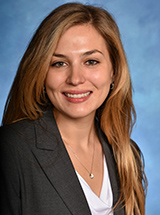
2026 Award Winner – Gabriella N. Tortorella, MD
Previous Winners
- Sara Ginzberg, MD, MSHP - 2025
- Richard Straker, MD - 2024
- Ian W. Folkert, MD, PhD - 2023
- Mark S. Etherington, MD - 2022
- Robert A. Swendiman, MD - 2021
- Jennifer J. Chung, MD - 2020
- Madalyn G. Neuwirth, MD - 2019
- Rebecca L. Hoffman, MD - 2018
- Jeffrey E. Cohen, MD - 2017
- Olugbenga T. Okusanya, MD - 2016
- Eric Shang, MD - 2015
- Myron Allukian, III, MD - 2014
- Major Kenneth Lee, MD, PhD - 2013
- Robert T. Lewis, MD - 2012
- J. Raymond Fitzpatrick, MD - 2011
- Paige M. Porrett, MD, PhD - 2010
- Andrew Newman, MD - 2009
- Brad Leshnower, MD - 2008
- Lee J. Goldstein, MD - 2007
- Ben M. Jackson, MD - 2006
- Robert J. Canter, MD - 2005
- Joshua Pierce, MD - 2004
- Wilson Y. Szeto, MD - 2003
- Edward Y. Woo, MD - 2003
- Mark Faries, MD - 2002
- Ross Milner, MD - 2001
- Bo Lovvorn, MD - 2000
- Y. Joseph Woo, MD - 1999
- Joseph H. Gorman, MD - 1998
- Ronald P. DeMatteo, MD- 1997
- James F. Markmann, MD - 1996
- Donald C. Liu, MD - 1995
- David A. Theodoro, MD - 1994
- James D. Luketich, MD - 1993
Leonard J. Perloff was born in Philadelphia where he lived his entire life, except for the short time in the army. In college at Penn, he was Phi Beta Kappa, and a member of the fencing team. After medical school at Penn, internship at PGH, residency under Jonathan Rhoads and vascular fellowship at HUP, he spent 2 years on the transplant service at Walter Reed hospital rising to the rank of Lt. Colonel. He then returned to Penn, where he remained for the rest of his career, becoming Professor of Surgery in 1989. At HUP he was Associate Chief of Transplantation and Assistant Chief of Vascular Surgery.
Dr. Perloff was a versatile academic surgeon. Although he said that basic research was not his long suit, the respect he was accorded by others to his status as an experimentalist was indicated by his appointment as Chairman of the VA National Merit Review Board for Surgery. Several of the studies carried out with the support of his NIH ROI grant contributed substantially to the basic understanding of allograft rejection. He defined the importance of the transplant site in the fate of thyroid allografts.
Despite his considerable accomplishments as an experimentalist, Len was primarily a clinical surgeon, and a superb one. Trained by Brooke Roberts, a master vascular surgeon, Len eventually became HUP's most active vascular surgeon. He was also an experienced transplant surgeon, and many of the 100 entries in his bibliography were clinical papers on this subject.
Len was a skilled and extremely popular teacher with a gift for developing rapport with students and residents. He directed the Department's clerkship and chaired the School's Student Standards Committee. The medical students elected him to honorary membership in AOA, and in 1992, named him the School's Outstanding Teacher. In 1994, the Penn Medical School yearbook was dedicated to him. The surgical residents named an annual teaching award in his honor.
Leonard's national and international recognition were confirmed by his election to many prestigious academic societies including the International Transplantation Society, the Society for Vascular Surgery, the Society of University Surgeons. An unusual honor was his posthumous election as a member of the American Surgical Association.
Len Perloff's greatest talents were not in research laboratory nor were they in the operating theater or the classroom. His people skills and sense of humor were his most widely recognized assets and through them, he contributed much to his patients, his colleagues, and his school.
For a busy academic surgeon, Len had an unusually well-developed appreciation for life outside of medicine. Walter Sarazan, the golfer said "…You're only here for a short visit. Don't hurry, don't worry, and don't forget to smell the flowers along the way." Len had some worries, but he always handled himself with style and grace. After his death, most of the letters received from his friends, former fellows, and students commented on his talent for smelling the flowers, enjoying life, sharing a joke.
Awarded to the Surgical Faculty Whose Leadership, Caring Attitude and Surgical Judgment has been a Model for the Surgeon-In-Training and with whom a Bond of Mutual Respect and Friendship has been Established.
Selected by the Chief Residents
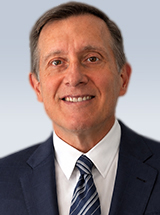
2026 Award Winner – Ronald P. DeMatteo, MD
Previous Winners
- Francis E. Rosato, MD - 2025
- Robert E. Roses, MD - 2024
- Jon B. Morris, MD - 2023
- Major Kenneth Lee, IV, MD, PhD - 2022
- Robert E. Roses, MD - 2021
- Robert E. Roses, MD - 2020
- M. Kenneth Lee, IV, MD, PhD - 2019
- Matt L. Kirkland, MD - 2018
- Najjia N. Mahmoud, MD - 2017
- Robert E. Roses, MD - 2016
- Venkat Kalapatapu, MD - 2015
- Robert E. Roses, MD - 2014
- Douglas L. Fraker, MD - 2013
- Douglas L. Fraker, MD - 2012
- Ernest F. Rosato, MD - 2011
- Ernest F. Rosato, MD - 2010
- Ernest F. Rosato, MD - 2009
- Ernest F. Rosato, MD - 2008
- Ernest F. Rosato, MD - 2007
- Ernest F. Rosato, MD - 2006
- Ernest F. Rosato, MD - 2005
- Ernest F. Rosato, MD - 2004
- Ernest F. Rosato, MD - 2003
- Ernest F. Rosato, MD - 2002
- Ernest F. Rosato, MD - 2001
- Ernest F. Rosato, MD - 2000
- Ernest F. Rosato, MD - 1999
- John L. Rombeau, MD - 1998
- Ernest F. Rosato, MD - 1997
- Ernest F. Rosato, MD - 1996
- Leonard D. Miller, MD - 1995
- Ronald M. Fairman, MD - 1994
- Leonard J. Perloff, MD - 1993
- Leonard D. Miller, MD - 1992
- Rudolf N. Staroscik, MD - 1991
- Leonard D. Miller, MD - 1990
- Leonard D. Miller, MD - 1989
- Julius A. Mackie, MD - 1988
- Ernest F. Rosato, MD - 1987
- Ernest F. Rosato, MD - 1986
- Ernest F. Rosato, MD - 1985
- William Y. Inouye, MD - 1984
- William Y. Inouye, MD - 1983
Bill Inouye grew up in Sacramento, California. At the onset of World War II in 1941, the presumed threat to national security led to the imprisonment of Bill and his family with other Americans of Japanese descent at a camp at Tula Lake, California. In 1944, the Inouyes were allowed to move to Philadelphia where for the rest of the war they managed a hostel that served as a halfway house helping to relocate and aid more than 1000 Japanese Americans from other parts of the US. Twenty-five years after the war ended, Bill's mother was awarded the Order of the Sacred Treasurer by the Japanese Emperor for bettering relations between the U.S. and Japan.
Relocation to Philadelphia allowed Bill to attend Swarthmore where he was Phi Beta Kappa graduating in 1944. His plans to attend medical school were delayed by the economic losses suffered by his family during their imprisonment. For the next 5 years Bill worked as a chemist in an asbestos factory. Then, having saved enough money, he entered Penn Medical School in 1949. He graduated AOA in 1953. While he was a medical student doing research in the Harrison Department of Surgical Research and Bill Bluemle's lab, he devised the first coil hemodialysis machine. He made this from screening material and cellulose tubing purchased from a hardware store. The ingenious device was enclosed in a standard Presto Pressure Cooker for distribution of the dialyzing fluid and to provide a closed system that allowed for ultrafiltration by using negative pressure. Bill first described his dialyzer in the 1953 Surgical Forum. It was used clinically at HUP in some of the earliest successful hemodialyses. During this time Willem Kolff visited Penn and was shown Bill's dialysis machine. Soon after, Kolff produced a similar model, failing to credit Inouye for the design. Former HUP nephrologist, Lee Henderson contends that the coil dialyzer should have been named for Inouye rather than Kolff. It soon became standard because it was a great improvement over the cumbersome drum model originated by Kolff. Years later Kolff belatedly acknowledged Inouye's contribution but earlier many others had recognized its seminal importance. Inouye received the National Kidney Foundation's Dialysis Pioneer Award for design of the forerunner of the twin coil artificial kidney. His prototype is now exhibited in several museums including the Smithsonian Institution.
After finishing the HUP surgical residency in 1961, and 2 years in the Army Bill was appointed to the Penn Faculty. He developed a large practice which he conducted mainly at Jeanes Hospital, which at that time, largely because of Bill, was a popular site of HUP resident rotations. Although outstanding in his early years as a scientist and later as a clinician it was as an educator that Bill Inouye particularly excelled. He was appointed Chief of the Penn Service at Philadelphia General Hospital and Chief of the Residents Ward Teaching Service at HUP. Since he worked at several hospitals he often traveled back and forth across town several times a day making sure that every teaching case was covered. He was considered the best teacher by the residents and also by the medical students who dedicated their yearbook to him.
In the fall of 1982, while he was at the peak of his powers as a surgeon and educator and shortly after his promotion to full professor Bill Inouye developed pleural effusion. This soon led to the diagnosis of mesothelioma which seems certainly to have stemmed from his exposure to asbestos during the time he was working to earn money for medical school. As his disease progressed his activities were more and more limited. His courage and dedication to teaching allowed him to continue some professional activity and fortunately he somewhat outlived predictions based on the usual natural history of his disease, perhaps because of a pleural resection by Alden Harken. Although in considerable pain he continued to make teaching rounds with the residents until a few months of his death. When his physical limitations precluded this activity he turned his attention to raising money for the residents' fund, pursuing this activity to within a few days of his death. He contacted every former HUP resident urging each of them to contribute. Many generously did so with the result that for years this fund provided most of the support of resident travel to meetings. Bill donated the stipend he received for his teaching activities plus a sizable personal contribution to support this fund. He also endowed annual teaching awards, one for a resident and another for a faculty member to be chosen by the residents. Until his death in 1985 the residents refused to designate anyone but Bill as the recipient of the faculty award.
Awarded to the Faculty Member who has had the Greatest Impact on the Education of the Surgical Residents. Renamed in 2012 to honor Dr. Ernest F. Rosato.
Selected by the Surgical Residents
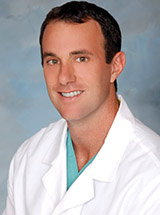
2026 Award Winner – Benjamin M. Braslow, MD
Previous Winners
- Major Kenneth Lee, IV, MD, PhD - 2025
- Major Kenneth Lee, IV, MD, PhD - 2024
- Robert E. Roses, MD - 2023
- Skandan Shanmugan, MD - 2022
- M. Kenneth Lee, IV, MD, PhD - 2021
- M. Kenneth Lee, IV, MD, PhD - 2020
- Robert E. Roses, MD - 2019
- Jon B. Morris, MD - 2018
- Robert E. Roses, MD - 2017
- Robert E. Roses, MD - 2016
- Robert E. Roses, MD - 2015
- Robert E. Roses, MD - 2014
- Benjamin M. Braslow, MD - 2013
- Jon B. Morris, MD - 2012
- Benjamin M. Braslow, MD - 2011
- Jon B. Morris, MD - 2010
- Jon B. Morris, MD - 2009
- Jon B. Morris, MD - 2008
- John L. Rombeau, MD - 2007
- John L. Rombeau, MD - 2006
- Douglas L. Fraker, MD - 2005
- Ernest F. Rosato, MD - 2004
- Gordon P. Buzby, MD - 2003
- Douglas L. Fraker, MD - 2002
- Douglas L. Fraker, MD - 2001
- Donald R. Kauder, MD - 2000
- Rudolf N. Staroscik, MD - 1999
- Douglas L. Fraker, MD - 1998
- Larry R. Kaiser, MD - 1998
- Jon B. Morris, MD - 1997
- Leonard D. Miller, MD - 1996
- Michael L. Nussbaum, MD - 1995
- Gordon P. Buzby, MD - 1994
- Louise Schnaufer, MD - 1993
- Jon B. Morris, MD - 1992
- Jon B. Morris, MD - 1991
- Venerando G. Jaurigue, MD - 1990
- Donald C. Dafoe, MD - 1989
- C. William Schwab, MD - 1988
- Leonard D. Miller, MD - 1987
- V. Paul Addonizio, MD - 1986
Ernest F. Rosato graduated Summa Cum Laude from Saint Joseph’s College in 1958 and the University of Pennsylvania School of Medicine with election to the Alpha Omega Alpha National Honor Society in 1962. He subsequently took his general surgery residency at the Hospital of the University of Pennsylvania and for the next 50 years would remain at Penn for his entire professional career. Dr. Rosato was promoted to Full Professor of Surgery in 1975 and subsequently held the position of Chief of the Division of Gastrointestinal Surgery from 1988 through 2004. Recognized as the premier general surgeon at HUP for decades, Dr. Rosato's academic career was remarkably productive with authorship on 152 scientific publications and membership to all the major surgical societies, including the American College of Surgeons, the Society of University Surgeons, the Halsted Society, and the American Surgical Association.
Dr. Rosato always placed a premium on medical education in his surgical practice. He received the Mary F. and Christian R. Linback Award for distinguished teaching, the Medical Student Government Faculty Honor Roll, the medical students award for excellence in teaching on two occasions, the Penn Pearls Award from the medical students for excellence in clinical teaching on two occasions and, in 1980, the Penn Med Yearbook "Scope" was dedicated to Dr. Rosato where the students succinctly and accurately noted that "his clinical and technical expertise are well known…over and above these skills stands his strength of purpose…he is willing to face those difficult patients whose problems require both innovation and persistence to attain successful results". In a surgical career that has spanned nearly four decades, Dr. Rosato has literally trained a generation of academic surgeons.
The William Inouye award for teaching is given by the surgical chief residents each year to the faculty member whose leadership, caring attitude and surgical judgment have been an exemplary model to the surgeon in training with whom a bond of mutual respect and friendship has been established. Dr. Rosato received this award 18 times since 1985 and since 1999, an incredible 13 consecutive graduating chief resident classes have honored him in this way.
For his clinical expertise, Dr. Rosato received significant recognition outside of the Hospital of the University of Pennsylvania with multiple listings in the Top Doctors edition in Philadelphia Magazine and a remarkable 17 year consecutive run as one of the Best Doctors in America listing. Dr. Rosato was the recipient of the 2008 I.S. Ravdin Master Clinician award, which is perhaps the most prestigious clinical award that Penn Medicine can bestow upon one of its faculty members given to a clinician who is a skillful, compassionate practitioner with a long and consistent record of contributions to the University of Pennsylvania School of Medicine and health system. Dr. Rosato received this award 40 years after he was I.S. Ravdin's last senior resident.
While Dr. Rosato accomplished great things professionally and personally, without question his greatest pride came from his family. Dr. Rosato and his wife, Gerry, raised nine beautiful children. Dr. Rosato's career would not have been the same had it not been for the loving support and encouragement he received over the years from Gerry.
Awarded to the Surgical Resident who based on clinical evaluations, academic performance, and resident votes, in the opinion of the Chairman and Program Director is the top resident in the program.
Selected by the Award Committee
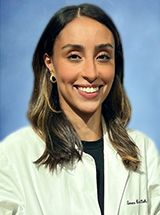
2026 Award Winner – Emma Bakillah, MD
Previous Winners
- Claire Rosen, MD, MSME - 2025
- Gregory T. Kennedy, MD - 2024
- Ian W. Folkert, MD, PhD - 2023
- Paul T. Hernandez, MD - 2022
- Seth J. Concors, MD - 2021
- Brett L. Ecker, MD - 2020
- Madalyn G. Neuwirth, MD - 2019
- Matthew A. Hornick, MD - 2018
- Reilly D. Hobbs, MD - 2017
- Heather Wachtel, MD - 2016
- Jeremy R. McGarvey, MD - 2015
- William Hiesinger, MD - 2014
- Robert R. Redfield, III, MD - 2013
- Major Kenneth Lee, MD, Ph.D. - 2012
- Robert T. Lewis, MD - 2011
- Benjamin J. Herdrich, MD - 2010
- Paige M. Porrett, M.D., PhD - 2009
- Andrew S. Newman, MD - 2008
- Michael E. Friscia, MD - 2007
- Robert E. Roses, MD - 2006
- Paul J. Foley, MD - 2005
- Benjamin M. Jackson, MD - 2004
- Joshua Pierce, MD - 2003
- Edward Y. Woo, MD - 2002
- Robert J. Canter, MD - 2001
- Heung Bae Kim, MD - 2000
- T. Sloane Guy, MD - 1999
Naming the 'Resident of the Year' award after Keith Reemtsma requires a little explanation since Dr. Reemtsma had no particular relationship to the Department of Surgery.
In 1998 during an informal conversation between Keith Reemtsma (Columbia's Surgery Chairman) and Clyde Barker (Penn Surgery Chairman), Dr. Reemtsma offered to endow an annual award for the Department of Surgery, specifying that he would like it to go to our "Top Resident." He cited his loyalty as a Penn Medical School graduate.
During Dr. Reemtsma's surgical training at Columbia there was one additional Penn association. His closest mentor was Clyde Barker's brother, Harold a Columbia faculty surgeon who was HUP trained. After residency in 1958 Keith became a faculty member at Tulane. There he performed a series of chimpanzee to human kidney transplants, still the most successful xenografts ever done. One survived for 9 months. In 1966 Keith was appointed surgery chairman at the University of Utah and then in 1971 chairman at Columbia where he started programs in kidney and heart transplantation.
Dr. Reemtsma's heart transplant program became the country's largest. In 2000 he died from liver cancer ironically not amenable to transplantation. Until his illness prevented it Keith and his wife Judy came from New York to be at our graduation dinners for the presentation of the Reemtsma award.
Winners of the Reemtsma award might be interested to know that Keith, who served in a Korean War M*A*S*H unit always asserted that he was the prototype on which TV's Hawkeye was based. The humor, charisma and warmth of this larger than life figure convinced his many friends that the claim must be valid.
Awarded to a Surgical Resident For Excellence in Teaching Medical Students in Surgery 200 Core Curriculum.
Selected by Medical Student Evaluations
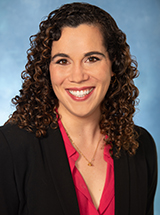
2026 Award Winner – Rachael C. Acker, MD
Previous Winners
- Jack McVey, MD - 2025
- Amanda L. Bader, MD - 2024
- Claire B. Rosen, MD, MSME - 2023
- Feredun S. Azari, MD - 2022
- Ciaran S. O'Brien, MD - 2021
- Charles R. Vasquez, MD - 2020
- Robert Swendiman, MD, MPP - 2019
- Andrew D. Newton, MD - 2018
- Catherine E. Sharoky, MD - 2017
- Rebecca L. Hoffman, MD - 2016
- Rebecca L. Hoffman, MD - 2015
- Olugbenga Okusanya, MD - 2014
- Jessica A. Cintolo, MD - 2013
- Holly L. Graves, MD - 2012
- Dustin M. Bermudez, MD - 2011
- Robert T. Lewis, MD - 2010
- David H. Stitelman, M.D. - 2009
- Carter Paulson, M.D. - 2008
- Paige M. Porrett, M.D. - 2007
- Giorgos C. Karakousis, M.D. - 2006
- Pavan Atluri, M.D. - 2005
- Lee J. Goldstein, M.D. - 2004
- Robert J. Canter, M.D. - 2003
- Leonard T. Su, M.D. - 2003
- Shane Parmer, M.D. - 2002
- Samantha K. Hendren, M.D. - 2001
- Samantha K. Hendren, M.D. - 2000
- Ross Milner, M.D. - 1999
- Howard K. Song, M.D. - 1998
- Y. Joseph Woo, M.D. -1997
- John C. Kucharczuk, M.D. - 1996
- William T. Adamson, M.D. - 1995
- Mark Levy, M.D. - 1994
- W. Roy Smythe, M.D. - 1993
- Mark P. Mantell, M.D. - 1993
- Wendy L. Frankel, M.D. - 1992
- David L. Bartlett, M.D. - 1991
- Joseph B. Shrager, M.D. - 1991
- Steven J. Fishman, M.D. - 1990
- Stephen W. Downing, M.D. - 1990
- Charles R. Bridges, M.D., Sc.D. - 1989
- Steven R. Buchman, M.D. - 1988
- Satoshi Furukawa, M.D. - 1987
- Scott A. Kripke, M.D. - 1986
- Russell F. Stahl, M.D. - 1985
Bill Inouye grew up in Sacramento, California. At the onset of World War II in 1941, the presumed threat to national security led to the imprisonment of Bill and his family with other Americans of Japanese descent at a camp at Tula Lake, California. In 1944, the Inouyes were allowed to move to Philadelphia where for the rest of the war they managed a hostel that served as a halfway house helping to relocate and aid more than 1000 Japanese Americans from other parts of the US. Twenty-five years after the war ended, Bill's mother was awarded the Order of the Sacred Treasurer by the Japanese Emperor for bettering relations between the U.S. and Japan.
Relocation to Philadelphia allowed Bill to attend Swarthmore where he was Phi Beta Kappa graduating in 1944. His plans to attend medical school were delayed by the economic losses suffered by his family during their imprisonment. For the next 5 years Bill worked as a chemist in an asbestos factory. Then, having saved enough money, he entered Penn Medical School in 1949. He graduated AOA in 1953. While he was a medical student doing research in the Harrison Department of Surgical Research and Bill Bluemle's lab, he devised the first coil hemodialysis machine. He made this from screening material and cellulose tubing purchased from a hardware store. The ingenious device was enclosed in a standard Presto Pressure Cooker for distribution of the dialyzing fluid and to provide a closed system that allowed for ultrafiltration by using negative pressure. Bill first described his dialyzer in the 1953 Surgical Forum. It was used clinically at HUP in some of the earliest successful hemodialyses. During this time Willem Kolff visited Penn and was shown Bill's dialysis machine. Soon after, Kolff produced a similar model, failing to credit Inouye for the design. Former HUP nephrologist, Lee Henderson contends that the coil dialyzer should have been named for Inouye rather than Kolff. It soon became standard because it was a great improvement over the cumbersome drum model originated by Kolff. Years later Kolff belatedly acknowledged Inouye's contribution but earlier many others had recognized its seminal importance. Inouye received the National Kidney Foundation's Dialysis Pioneer Award for design of the forerunner of the twin coil artificial kidney. His prototype is now exhibited in several museums including the Smithsonian Institution.
After finishing the HUP surgical residency in 1961, and 2 years in the Army Bill was appointed to the Penn Faculty. He developed a large practice which he conducted mainly at Jeanes Hospital, which at that time, largely because of Bill, was a popular site of HUP resident rotations. Although outstanding in his early years as a scientist and later as a clinician it was as an educator that Bill Inouye particularly excelled. He was appointed Chief of the Penn Service at Philadelphia General Hospital and Chief of the Residents Ward Teaching Service at HUP. Since he worked at several hospitals he often traveled back and forth across town several times a day making sure that every teaching case was covered. He was considered the best teacher by the residents and also by the medical students who dedicated their yearbook to him.
In the fall of 1982, while he was at the peak of his powers as a surgeon and educator and shortly after his promotion to full professor Bill Inouye developed pleural effusion. This soon led to the diagnosis of mesothelioma which seems certainly to have stemmed from his exposure to asbestos during the time he was working to earn money for medical school. As his disease progressed his activities were more and more limited. His courage and dedication to teaching allowed him to continue some professional activity and fortunately he somewhat outlived predictions based on the usual natural history of his disease, perhaps because of a pleural resection by Alden Harken. Although in considerable pain he continued to make teaching rounds with the residents until a few months of his death. When his physical limitations precluded this activity he turned his attention to raising money for the residents' fund, pursuing this activity to within a few days of his death. He contacted every former HUP resident urging each of them to contribute. Many generously did so with the result that for years this fund provided most of the support of resident travel to meetings. Bill donated the stipend he received for his teaching activities plus a sizable personal contribution to support this fund. He also endowed annual teaching awards, one for a resident and another for a faculty member to be chosen by the residents. Until his death in 1985 the residents refused to designate anyone but Bill as the recipient of the faculty award.
Awarded to the Surgical Resident whose Clinical Instruction of Medical Students Most Nearly Approaches the Standard of Excellence Set by Surgery’s Master Educator, Leonard D. Miller.
Selected by the Medical Students
2026 Award Winner – Gabriella N. Tortorello, MD
Previous Winners
- Karissa Tauber, MD - 2025
- Andrew D. Tieniber, MD - 2024
- Richard J. Straker, III, MD - 2023
- Lauren N. Krumeich, MD, MS - 2022
- Paul T. Hernandez, MD - 2021
- Andrew J. Sinnamon, MD - 2020
- Elijah W. Riddle, MD - 2019
- Ann C. Gaffey, MD - 2018
- Rebecca L. Hoffman, MD - 2017
- Edmund K. Bartlett, MD - 2016
- Ian W. Folkert, MD - 2015
- Myron Allukian, III, MD - 2014
- Robert R. Redfield, III, MD - 2013
- Dustin M. Bermudez, MD - 2012
- Demetri Merianos, MD - 2011
- David H. Stitelman, MD - 2010
- Adam J. Kaye, MD - 2009
- Michael E. Friscia, MD - 2008
- David H. Stitelman, MD - 2007
- Lee J. Goldstein, MD - 2006
- Richard J. Myung, MD - 2005
- Vasant Jayasankar, MD - 2004
- Samantha K. Hendren, MD - 2003
- Eric S. Lambright, MD - 2002
- Ross Milner, MD - 2001
- Michael Y. Chang, MD - 2000
- A. Sasha Krupnick, MD - 1999
- Thomas E. Hamilton, MD - 1998
- Susan E. Lerner, MD - 1997
Leonard Miller graduated from Yale University and the Penn Medical School. After internship and a year of surgical residency at the Hospital of the University of Pennsylvania, he served from 1957 to 1959 as a captain in the U.S. Air Force and as Chief of the surgical Service and commander of a large Air Force hospital in England. After returning to the University of Pennsylvania and completing his surgical residency in 1964, he was appointed to the faculty and becoming a full professor five years later.
During his entire professional life, Len's greatest commitment was to education. As he began his faculty career, he set forth his professional goals in a career development grant application, which is preserved in the archives of the Department of Surgery. It could have served as his epitaph. He wrote, "I hope the coming years will bear evidence of the realization of some, if not all, of my fundamental aims. The three cornerstones upon which Penn's Medical School was built listed in their order of importance are: teaching, research and the care of patients. I am intent upon devoting myself primarily to teaching and research. Teaching is the aspect of medicine that satisfies me most fully. However, I am unwilling to give up the care of surgical patients because a surgeon cannot adequately teach completely from the printed page. My first experience with teaching came in 1951. I took a position with an inter-denominational church group called the East Harlem Protestant Parish. East Harlem is a remarkable overcrowded slum-infested area of New York City which has the highest tuberculosis and narcotics addiction rate of any neighborhood in the country. There, I worked, lived with teenagers and taught informal sessions in the Natural Sciences…. I had several other duties including getting the children out of the city into summer camps. My own purposes were humanistic rather than evangelical, but the experience left a deep impression on me. Small steps forward with these youngsters were large triumphs to me".
One can easily imagine what Len must have meant to the teenagers in East Harlem. Although HUP and Penn's Medical School are quite different venues, his style as a teacher never changed much. His approach was in fact almost evangelical. After finishing his tour as department chairman, Len took on the responsibility as chief of the teaching service. For the next 14 years he closely supervised the patients on this "ward" service by attending all the residents' operations including those at night and on the weekends. Students and residents schemed to be on his teaching service, in his quiz sections and his other classes. Like the Harlem teenagers their small steps forward were viewed as major triumphs for Len. They recognized him with many awards: a Lindback Award; an honorary faculty membership in the AOA; designation as the best clinical teacher by the medical school classes of 1992, 1993 and 1996; and by the surgical residents five times as their best teacher of the year. His national recognition as an educator was confirmed by his appointment as Chair of the Surgical Education Committee of the Society of University Surgeons. Len truly accomplished the goals as a teacher he had set for himself in 1964.
During his 33 years as a faculty member Len assumed many important administrative roles. He served as Chair of the Medical Board of the Hospital of the University of Pennsylvania. He also chaired the Steering Committee of the Medical Faculty Senate, and the Admissions Committee of the School of Medicine. He was Director of the Shock and Trauma Unit from 1967 to 1972. He was the J. William White Professor of Surgical Research from 1970 to 1978. After several years as Acting Chairman of the Department of Surgery, he succeeded William T. Fitts, Jr. as John Rhea Barton Professor and Chairman of the Department of Surgery in 1978, and served in this role until 1983.
During his early career, Len was productive in basic research. From 1972 to 1983 he was Director of the Harrison Department of Surgical Research. His research contributions, which led to more than 100 publications, were significant in several different areas, which included circulation of the kidney, the reninangiotensin system, and the impact of shock on oxygen transport and mitochondrial function. His major clinical research interests were cancer of the large bowel, portal hypertension, and the use of portacaval shunts.
Len was elected to membership in many distinguished medical and scientific societies including the American Physiological Society, the Society of University Surgeons, the American Surgical Association, the Surgical Biology Club I and the Halsted Society. For many years, he was a member of the editorial board of the Annals of Surgery. He also edited with its HUP residents Ed Savage and Steve Fishman a book on the essentials of basic science in surgery.
For more than forty years Len Miller was an important force at the University of Pennsylvania and especially in its Department of Surgery. Even as a resident he was recognized by medical students and junior residents as an outstanding teacher. Later his teaching skills would become almost legendary. He was more broadly knowledgeable about surgery than anyone can remember and he was eager and effective in sharing this knowledge.
But more so than his professional accomplishments and contributions to his school and department it was Len's personal qualities which endeared him to his students and colleagues.
Over the last decade of his life and particularly in his last illness he exhibited great courage and resilience. This was apparent first in his return to an active role in the department after the disappointment of being forced by his health to give up the chairmanship he had achieved through so much hard work and personal success. After this teaching became his mission and almost totally occupied his waking hours. It was a tragic irony that his terminal illness robbed him of his ability to speak and thus his lifelong passion, teaching. He confronted his final illness with a stubbornness and apparent good cheer that should serve as a lesson to everyone.
The Award is given to a surgical resident who shows exceptional clinical promise with an interest in gastrointestinal surgery, and demonstrates respect and compassion for patients.
Selected by Award Committee
Previous Winners
- Cimarron Sharon, MD - 2025
- Richard Straker, MD - 2024
- Nicolas Muñoz, MD - 2023
- Cimarron E. Sharon, MD - 2022
Allen H. Bar, MD Clinical Professor of Surgery at Penn, retired from surgical practice on June 2021 ending an outstanding career of more than 45 years at Pennsylvania Hospital. During his long career Allen has contributed measurably to the education of hundreds of medical students and residents, and cared compassionately for thousands of general surgery patients. Dr. Bar went to college and medical school at Tufts and did his general surgery residency at Pennsylvania Hospital, historically one of the busiest surgical sites in Philadelphia. After 2 years in the Army, he joined the attending staff at “Pennsy” where he remained in active practice until his recent retirement.
Dr. Bar has served on all the important academic and hospital committees at PAH, and he has chaired most of them. In 1990 he was Acting Chair of Surgery at Pennsylvania Hospital, and in 2001 he was elected President of the Medical Staff for 2 years. Dr. Bar was the site director for Penn Surgery 200 and 300 students for 35 years. He continues to be involved with teaching, and remains on the Pennsylvania Hospital board of directors where he has served since 2008.
Awarded to the Surgical Resident Achieving Highest Honors in the Annual American Board of Surgery In-Training Exam.
Selected by Award Committee
2026 Award Winners
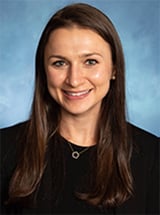
Sarah I. Landau, MD
Previous Winners
- Saad Farooq, MD - 2025
- Jesse Passman, MD, MPH - 2025
- Sarah I. Landau, MD - 2024
- Jesse Passman, MD, MPH - 2024
- Sarah I. Landau, MD - 2023
- Ian W. Folkert, MD, PhD - 2022
- John S. Riley, MD, MS - 2022
- Jordan B. Stoecker, MD, MSCE - 2021
- Ian W. Folkert, MD - 2021
- Feredun S. Azari, MD - 2019
- Seth J. Concors, MD - 2019
- Phillip M. Dowzicky, MD, MSHP - 2019
- Brett L. Ecker, MD - 2019
- Phillip M. Dowzicky, MD - 2018
- Brett L. Ecker, MD - 2018
- Ian W. Folkert, MD - 2018
- Richard J. Straker, III, MD - 2018
- Brett L. Ecker, MD - 2017
- Ian W. Folkert, MD - 2017
- Brett Ecker, MD - 2016
- Jashodeep Datta, MD - 2015
- Brett Ecker, MD - 2015
- Ned Bartlett, MD - 2014
- Brett Ecker, MD - 2014
- Avery Miller, MD - 2014
- Jessica A. Cintolo, MD - 2013
- Robert R. Redfield, MD - 2013
- Robert R. Redfield, MD - 2012
- Ahmed Jawad, MD - 2011
- Sudhan Nagarajan, MD - 2010
- Jessica A. Cintolo, MD - 2009
- M. Kenneth Lee, MD, PhD - 2009
- Robert R. Redfield, MD - 2008
- Deepak Parakkal, MD - 2008
- Sam S. Kim, MD - 2007
- Bianca C. Chin, MD - 2007
- Michael E. Friscia, MD - 2006
- J. Raymond Fitzpatrick, III, MD - 2005
- Emily Carter Paulson, MD - 2004
- Mark F. Berry, MD - 2003
- Vasant Jayasankar, MD - 2003
- T. Sloane Guy, MD - 2002
- Bradley G. Leshnower, MD - 2002
- T. Sloane Guy, MD - 2001
- Edward Y. Woo, MD - 2001
- T. Sloane Guy, MD - 2000
- T. Sloane Guy, MD - 1999
- Vasant Jayasankar, MD - 1999
- T. Sloane Guy, MD - 1998
- A. Sasha Krupnick, MD - 1997
- Y. Joseph Woo, MD - 1997
- Nabil P. Rizk, MD - 1997
- Joseph H. Gorman, MD - 1996
- Robert C. Gorman, MD - 1996
- Joseph H. Gorman, MD - 1995
- Robert C. Gorman, MD - 1995
- James F. Markmann, MD - 1995
- Joseph H. Gorman, MD - 1994
- Robert C. Gorman, MD - 1994
- Charles A. Atkinson, MD - 1993
- Joseph H. Gorman, MD - 1993
- Robert C. Gorman, MD - 1993
- Joseph H. Gorman, MD - 1992
- Robert C. Gorman, MD - 1992
- Edward B. Savage, MD - 1992
- Mark P. Mantell, MD - 1991
- Steven J. Fishman, MD - 1991
- Robert C. Gorman, MD - 1991
- Michael D. Lieberman, MD - 1991
- Robert C. Gorman, MD - 1990
- Michael D. Lieberman, MD - 1989
- Edward B. Savage, MD - 1989
- Edward B. Savage, MD - 1988
- Michael A. Acker, MD - 1987
- Michael D. Lieberman, MD - 1987
- Daniel T. Dempsey, MD - 1986
- Daniel T. Dempsey, MD - 1985
- Michael A. Acker, MD - 1985
- Michael A. Acker, MD - 1984
Awarded to the surgical faculty member whose clinical instruction and mentorship has been most instrumental in enriching the learning environment and development of junior surgical residents.
Selected by PGY1 and PGY2 Residents
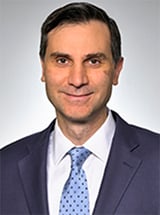
2026 Award Winner – Giorgos Karakousis, MD
Previous Winners
- John T. Miura, MD - 2025
- John T. Miura, MD - 2024
- John T. Miura, MD - 2023
- John T. Miura, MD - 2022
- Giorgos C. Karakousis, MD - 2021
Since his arrival at HUP in 1990, Jon Morris has made student and housestaff education a focus of his activity. While also maintaining an active practice of general surgery and authoring over 100 scholarly articles in the surgical literature his performance as a teacher has resulted in his compiling a list of awards and prizes that is probably unequaled.
For the Department of Surgery, Jon has served in many educational roles including Director of Medical Student Education (1993-1998), Director of Housestaff Education (1999-2001, 2003-present) and Program Director of the Surgery Residency. For the School of Medicine, he was Associate Dean for Clinical Education (1997-2001) and since 2004 has been Associate Dean for Student Affairs.
In the Department of Surgery Jon has received the faculty teaching award multiple times. At the School of Medicine, he has received the medical students' award for teaching, the Penn Pearls award for outstanding clinical teaching, the Christian R. and Mary F. Lindback Foundation Award for teaching, Robert D. Dripps Award and a special Dean's Award in recognition of outstanding service to the medical students. In addition, he was inducted into the Alpha Omega Alpha national medical honor society as a faculty member.
Nationally Jon is certainly one of the most recognized surgical educators. He was President of the Association of Program Directors in Surgery from 2014-2015. He is a member of the American Surgical Association. In 2014 he became the inaugural Ernest F. Rosato — William Mull Measey Professor of Surgical Education. In 2018 Jon stepped down as Program Director of the Penn General Surgery Residency, a position he had held for 14 years, but remains the Department's Vice Chair of Education, overseeing the Division of Surgical Education. In January 2018 Jon was appointed as the first Director of the Center for Student Life at the Perelman School of Medicine.
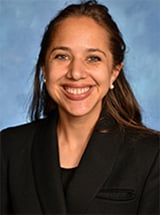
Awarded to a member of the surgical housestaff who exhibits compassion and sensitivity in the care of the surgical patient in a collegial, collaborative, selfless and ethical manner.
Selected by the Chairman and the Vice Chair of Education based on peer and faculty nominations.
2026 Award Winner – Karissa Tauber, MD
Previous Winners
- Claire Rosen, MD, MSME - 2025
- Carrie Zimmerman Morales, MD - 2024
- Sara Palazzo Ginzberg, MD, MSPH - 2023
- Jason J. Han, MD - 2022
- Ruchika Talwar, MD - 2021
- Katherine M. Fischer, MD - 2020
- Matthew Goldshore, MD, PhD, MPH - 2019
- Jennifer J. Chung, MD - 2018
Donald C. Liu came to HUP as a surgical intern in 1991 after obtaining his PhD along with his MD at Thomas Jefferson. As a resident, Don won several teaching awards, he was well liked by all, technically superior and totally conscientious in patient care.
After finishing his residency at HUP and a two-year fellowship in pediatric surgery at the University of Michigan he moved directly to the position of Chief of Pediatric Surgery at LSU. In 2001 he was recruited to the University of Chicago where after 4 years, he was appointed Professor of Surgery and Pediatrics at the University of Chicago, Chief of the Section of the Pediatric Surgery at the University of Chicago and Surgeon-in Chief of Wyler Children’s Hospital. In 2007 he was appointed Chief of Pediatric Surgery at the University of Chicago’s Comer Hospital and Director of the Pediatric Surgery Fellowship Program of the University of Chicago.
Don was internationally recognized for his expertise in applying and adapting the techniques of minimally invasive surgery to children. He developed innovative approaches to the treatment of chronic abdominal pain syndromes in children, including median arcuate ligament syndrome (MALS), a little-known and underdiagnosed disorder. As a researcher, he was an expert in Hirschsprung's disease, the pathogenesis of necrotizing enterocolitis and the importance of gut bacteria in health and disease. His skill and experience attracted patients from all over the country.
Don was a much sought after speaker and teacher both nationally and internationally. He had been visiting professor or invited speaker at more than 100 academic institutions and national or international symposia. He was particularly proud of his work in China where he developed a collaboration and formal affiliation with Shanghai Medical Center. He had the distinction of holding an endowed chair at the Jiao Tung University in Shanghai.
In a personal statement in his resident application he wrote "that the art of medicine is best practiced by those who desire to serve others." He added that "the special beauty of surgery is in the translation of abstraction and fact into delicate finger music." Years later, when asked to summarize his surgical philosophy he wrote, "I may be old fashioned but I continue to believe in achieving and maintaining a quadruple threat status in academic surgery, excellence in teaching, research, clinical productivity, innovation and administrative leadership."
At age 50, Don Liu was in the prime of his life as a devoted family man, an accomplished clinical surgeon, and prominent leader in academic pediatric surgery when he drowned after attempting to rescue two children who were caught in a strong current in Lake Michigan.
Awarded to a Faculty or Resident Member of the Department who has Demonstrated Leadership, Interest and Aptitude in Surgical Administration and Management.
Selected by Award Committee
Previous Winners
- Jeffrey L. Roberson, MD - 2024
- Darren B. Schneider, MD - 2023
- Steven E. Raper, MD, JD, MA (Hon) - 2022
- Daniel T. Dempsey, MD - 2021
- Andrew D. Newton, MD - 2020
- Najjia N. Mahmoud, MD - 2019
- Michael A. Acker, MD - 2018
- Ronald M. Fairman, MD - 2017
- Avi Shaked, MD - 2016
- Lindsay E. Kuo, MD - 2015
- Olugbenga Okusanya, MD - 2014
- Jeffrey A. Drebin, MD, PhD - 2013
- Caroline E. Reinke, MD - 2012
- Nina M. Bowens, MD - 2011
- Clyde F. Barker, MD - 2010
- Rachel R. Kelz, MD - 2009
- Jon B. Morris, MD - 2008
- Larry R. Kaiser, MD - 2007
- Pavan Atluri, MD - 2006
- James L. Mullen, MD - 2005
- Andrew S. Resnick, MD - 2004
The Gordon P. Buzby Surgical Leadership Fund, established by Dr. Buzby and his family in 2003, provides for an Annual Surgical Leadership Lecture with an Award presented to the surgical resident or faculty member most devoted to exploring issues of surgical finances, management, administration and leadership.
A superb clinical surgeon, Dr. Buzby devoted his career to providing exemplary patient care and developing a model clinical practice. Keenly aware of the challenges in healthcare delivery and reimbursement, he focused on financial, management and administrative issues and assumed a leadership role in the development of new departmental initiatives and standards.
He completed his undergraduate studies at the University of Pennsylvania (BS '70), his medical school education at the University of Pennsylvania Medical School (MD '74) and a seven year surgical residency at the Hospital of the University of Pennsylvania. In 1981 he joined the Penn Surgery faculty. In addition to his legacy of being an outstanding general surgeon, he served as the Director of the Nutrition Support Service and the Director of the Residency Program. He was chosen as the Director of the Residency Program because of the close personal relationship he was able to forge with every resident who came through the program.
On October 31, 2003 Dr. Buzby died after a heroic battle against a lung cancer that was diagnosed only 7 months earlier. Opting for the most aggressive treatment in the hopes of beating this disease, he had an incredibly positive, admirable attitude up to the end. Even in this, he was a model of leadership and inspiration.
Awarded to the Faculty member who has consistently demonstrated wise and trusted council and guidance to members of the surgical housestaff.
Selected by Committee Consisting of the Chairman, Vice Chair of Research and Vice Chair of Education
Previous Winners
- Patrick M. Reilly, MD - 2022
- Alan J. Wein, MD, PhD (Hon) - 2021
- Giorgos C. Karakousis, MD - 2020
- Daniel T. Dempsey, MD - 2019
- Matthew H. Levine, MD, PhD - 2018
- Noel N. Williams, MB, BCh, MCh, FRCSI, FRCS(Gen) - 2017
- Douglas L. Fraker, MD - 2016
- Brian Czerniecki, MD, PhD - 2015
- Rachel R. Kelz, MD - 2014
- Y. Joseph Woo, MD - 2013