
Diagnostic and Interventional Residency Research Tracks
Supported in part by an NIH-funded T32 training grant, the program is designed for residents who aspire to careers in academic radiology, innovation, and scientific discovery. Residents complete the same core clinical training as the Diagnostic Radiology Clinical Track while receiving dedicated mentorship, protected research time, and access to world-class research resources across Penn Medicine and the University of Pennsylvania.
Academic Appointments
50 of 51 past research residents transitioned into academic appointments. *as of 2025
in the Nation
Department NIH Funding* and Research Ranking†
Grant Recipients
15/31 residents were awarded the RSNA Research Grant since 2021
Research Track at a glance
- NIH-supported research residency pathway
- Four-year training program with no additional years required
- Three years of comprehensive clinical radiology training
- Minimum of 10 months of protected research time during the fourth year
- Access to world-class investigators and research laboratories
- Guaranteed fellowship placement at Penn for interested residents
- Strong track record of academic placement and research funding
Years 1-3: clinical training
Residents complete the same core clinical curriculum as the Diagnostic Radiology Clinical Track, gaining experience across all major radiology subspecialties while preparing for the ABR Core Examination.
Research Track residents may also participate in Penn's elective career development pathways, including:
- Business and Innovation of Radiology (BAIR)
- Health Equity Leadership
- Healthcare Leadership in Quality (HLQ)
- TEACH (Tomorrow’s Educators and Clinicians in Healthcare)
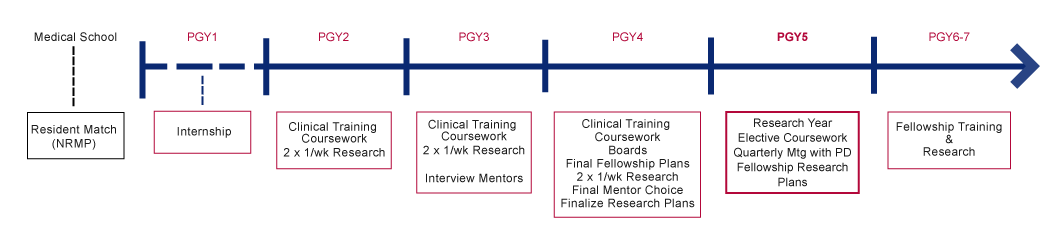
Interventional Radiology Research Track residents also participate in IR longitudinal clinic and IR buddy call during their first 3 years. In addition to the research time in years 1-3, the IR research track residents have additional blocks of IR clinical training."
Year 4: dedicated research
The fourth year is designed to maximize scholarly productivity while maintaining clinical competency. Residents receive a minimum of 10 months of protected research time with limited clinical responsibilities. Because research time is incorporated into the residency, no additional years of training are required.
Research projects span a broad range of fields, including:
- Basic Science and Preclinical Research
- Translational Imaging Research
- Artificial Intelligence and Informatics
- Quality Improvement and Patient Safety
- Imaging Technology Development
- Interventional Radiology Research
- Clinical and Outcomes Research
- Health Policy and Health Services Research
Residents have the flexibility to pursue projects aligned with their interests and collaborate with investigators across Penn's schools, centers, and laboratories.
Interventional Radiology Research Track residents maintain their integration with the IR division during their research year. They have dedicated IR clinical time and participate in IR educational activities throughout the year
Research opportunities
Research Track residents benefit from a highly collaborative academic environment and a robust mentorship structure. Opportunities include:
- Monthly small-group research seminars and works-in-progress sessions
- Mentorship from established physician-scientists and funded investigators
- Cross-disciplinary collaborations throughout the University of Pennsylvania
- Access to Penn's innovation and entrepreneurship ecosystem
- Grant-writing and career development support
- Strong track record of success with RSNA and foundation funding
Several resident-led projects have advanced through programs such as the Penn Medical Device Accelerator and Healthcare Innovation Accelerator.
Fellowship opportunities
Research Track residents are strongly encouraged to continue their scholarly work during fellowship training. To support continuity of research projects and mentorship, residents are guaranteed placement into their Penn fellowship of choice for eligible trainees. This includes IR Research track residents being guaranteed acceptance into Penn's 2-year Independent Interventional Radiology Residency program.
Learn from world-class researchers
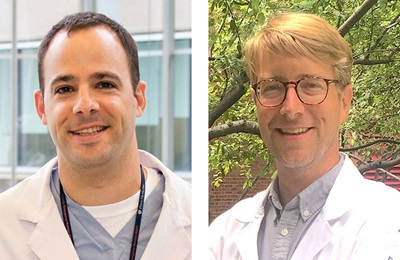
Research Track residents work with internationally recognized investigators who are advancing the future of imaging science, artificial intelligence, translational medicine, and interventional radiology.
Notable program alumni and faculty include Terence Gade MD, PhD, and Mark Sellymer MD, PhD, recipients of the prestigious NIH Director's Early Independence Award, one of the nation's highest honors for emerging physician-scientists.
Leadership
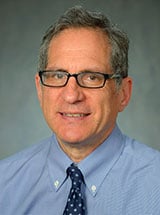
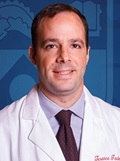
Vice Chair for Research, Radiology

Alumni impact
Research Track graduates are exceptionally well-positioned for careers in academic medicine, clinical investigation, and imaging innovation.
Our alums have secured faculty appointments at leading institutions nationwide and have successfully competed for NIH, RSNA, and foundation-supported research funding. Their work spans basic science, translational imaging, artificial intelligence, interventional radiology, health services research, and medical technology development.