
Clinical neurosurgery
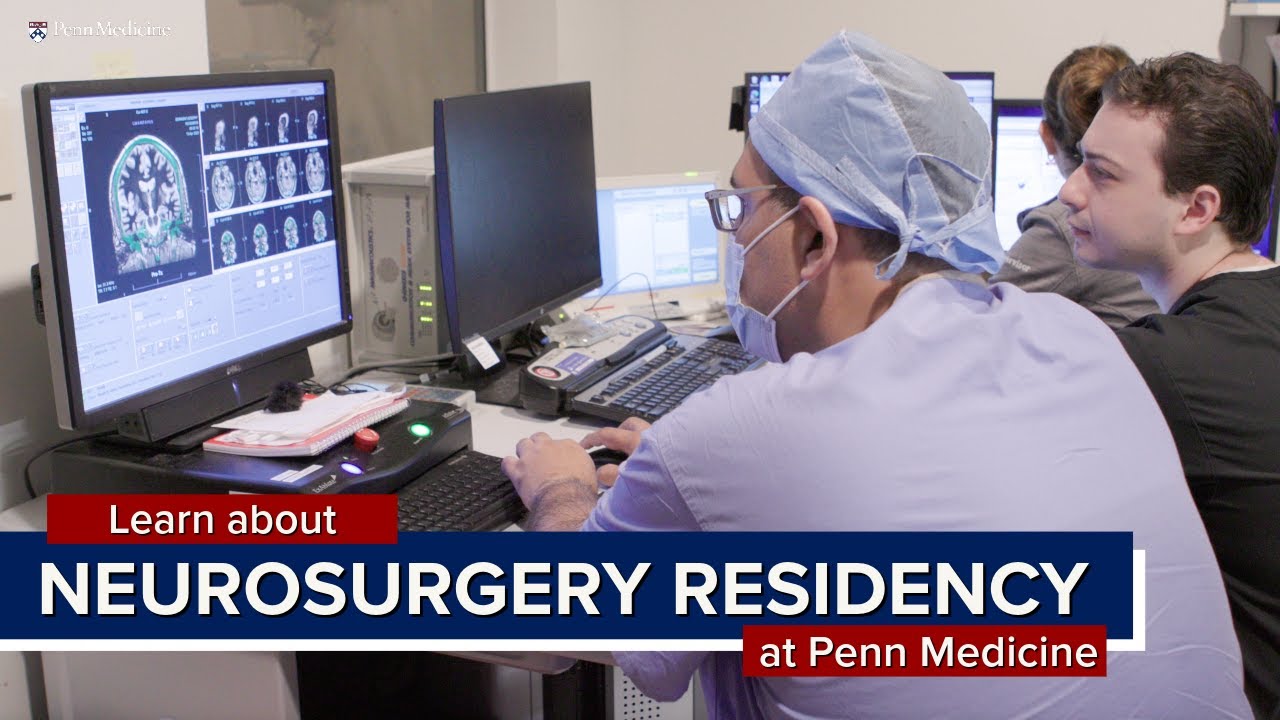
Our residents spend time doing neurosurgical rotations at the Hospital of the University of Pennsylvania, Presbyterian Hospital, Pennsylvania Hospital, and the Children’s Hospital of Philadelphia. These rotations are structured to allow for appropriate junior and senior level neurosurgical operative and clinical exposure. The program is organized to ensure a graded and increasing level of responsibility as the resident progresses through the rotations such that graduates are prepared to independently take care of the full breadth of neurosurgical disorders.
Rotations
Our current rotation schedule is described in detail below. The rotations are designed to take advantage of these two points:
- Exposure to HUP and PAH over several years to increase the opportunity for progressive patient management in and outside of the OR.
- Increased near-peer education. For example, a PGY2 will benefit from learning from a PGY3 as well as more senior residents.
We strongly believe this schedule design will significantly accelerate the clinical and operative development of our residents.
During the first year of the Penn Neurosurgery Residency Program, residents complete 6 months of neurosurgery, 3 months of neurocritical care, 1 month of clinical neurosciences, and 1 month of trauma.
| July - October | November - February | March - June | |
|---|---|---|---|
| PGY2 | HUP Junior (Vascular) | HUP Junior (Spine) | HUP Junior (Tumor) |
| PGY3 | HUP Mid | PAH Junior | CHOP |
| PGY4 | PPMC Chief | PAH Senior | HUP Senior |
| PGY5 | Research/Elective | ||
| PGY6 | Research/Elective | Research/Elective | HUP Senior |
| PGY7 | HUP Chief | HUP Chief | PAH Chief |
- HUP: Hospital of the University of Pennsylvania
- PAH: Pennsylvania Hospital
- PPMC: Penn Presbyterian Medical Center
- CHOP: Children's Hospital of Philadelphia
All residents are required to take the written examination of the American Board of Neurological Surgery for practice during the first three years of training. Thereafter, the examination may be taken for credit and must be passed before the resident enters the chief resident rotation.
Electives
New Zealand rotation
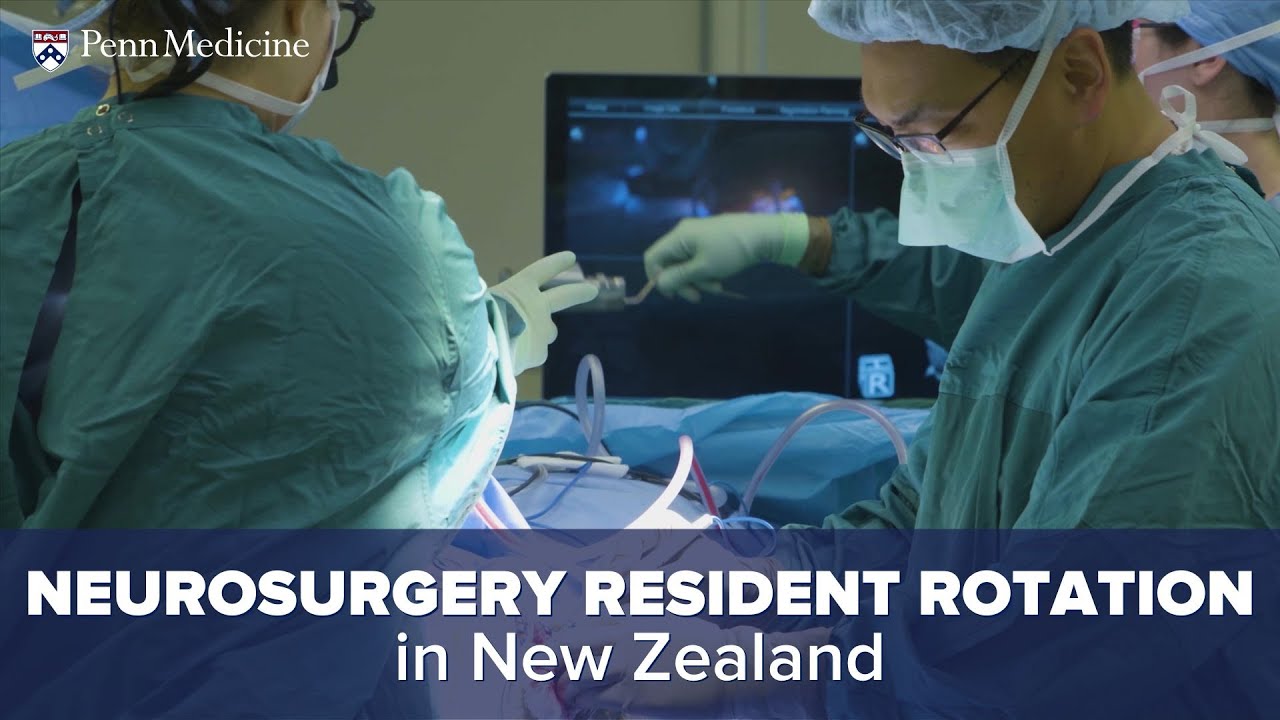
Beginning in 2013, senior residents from the Penn Neurosurgery program began travelling to Wellington, New Zealand to work as a fellow amongst a group of practicing neurosurgeons at a major academic center. This rotation is designed to strengthen clinical skills and foster operative independence and decision-making. The experience of working in an international healthcare setting is a unique and advantageous aspect of the Penn neurosurgical training program. The duration of time spent overseas is accommodating to specific resident interests.
Enfolded fellowship
The remaining rotations within the seven-year program are structured to meet the needs and interests of individuals residents. Options include enfolded fellowships in the areas of endovascular, functional, peripheral nerve, and spine surgery. The length of these enfolded fellowships is flexible.
Research
During the 5th year of residency, our residents are granted dedicated research time. They get the option to choose how they want to use it as they can work in other electives and even have it extend into their 6th year.