
Spinal tumor
Tumors in the spinal cord, nerves, or spinal column cause progressive neurological problems and pain. At Penn Medicine we have some of the top experts in their field who can implement the latest medical and surgical approaches to treat all types of spinal tumors. Within the Penn Spine Center, they collaborate with over 20 other physicians to create personalized treatment plans and make recommendations about how to best maximize patient outcomes. This would include working with specialists such as Oncology, Radiation Oncology, Plastic Surgery, Orthopedic Oncology, and Physical Medicine and Rehabilitation.
Our Spinal Tumor Program treats primary and metastatic spinal column and spinal cord tumors using advanced imaging and surgical technology. Together with our neuro-oncology team, we create a comprehensive treatment plan that also includes radiation and chemotherapy for malignant spinal tumors.
Minimally invasive surgery
Minimally invasive surgery refers to surgical techniques that try to minimize the disruption and damage of soft tissues surrounding the spine including muscles, ligaments and other tissue. Our neurosurgeons at Penn utilize minimally invasive surgical techniques for all types of conditions including spinal tumors, adult spinal deformity, degenerative disorders and herniated disc disorders. We go this route for surgery when possible because it minimizes the disruption of muscles and surrounding tissues, which then allows the patient to experience less pain than they would with a more traditional surgery.
Minimally invasive surgery entails the use of a small tube with a microscope that is used to perform surgery. Through the use of small metal tubes inserted through the skin down to the bone, surgeons are able to move the muscle out of the way, then operate through the small tube (approximately 20 millimeters (2 cm) in diameter) precisely at the surgical site. When the surgery is finished and the tubes are pulled away, the muscle falls back into place, where it was originally. When appropriate, our specialists may perform minimally invasive instrumentation. This technique involves screws that are placed with fluoroscopy or image guidance over guide wires through a small incision.
Complex spinal reconstruction for deformity
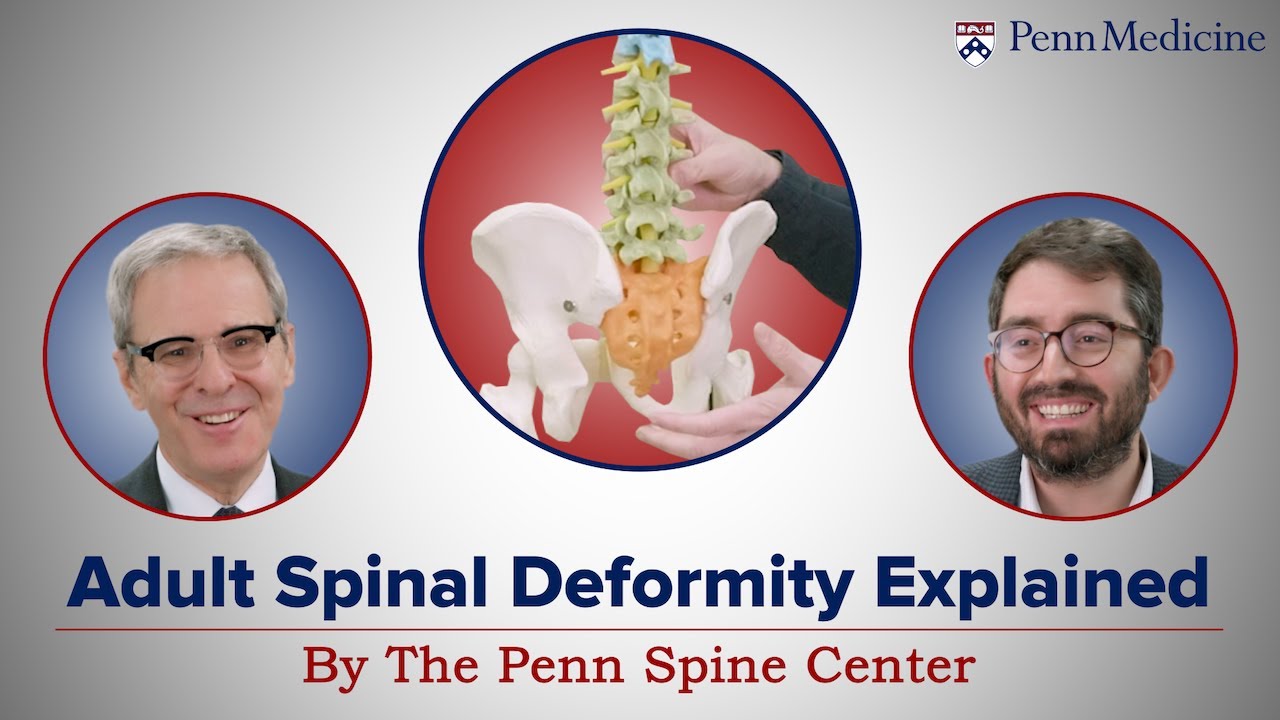
Complex spinal reconstruction for deformity can range from spinal instability, scoliosis and progressive deformities and are common conditions through all age groups. They can occur for a multitude of reasons including being due to prior surgery, a tumor, conditions present since birth, or degenerative changes. Due to the complexity of these cases, a team-based approach including both our team of neurosurgeons and orthopedists is utilized.
Penn neurosurgeons are experts at conducting minimally invasive surgical techniques to treat all types of deformity. These surgeries include:
- Anterior lumbar interbody fusion (ALIF): approaching the spine from the front of the body
- Direct lateral interbody fusion (DLIF): approaching the spine from the side of the body
- Oblique lateral interbody fusion (OLIF): approaching the spine from the flank (the area between the hip and the rib)
These surgical techniques spare the disruption of muscles, ligaments and bones through the use of endoscopic technologies. Disc material is removed from in between lumbar vertebrae, creating a space. Then, a bone graft or implant is inserted into the space, supported by rods and screws to correct the deformity.
Spinal stenosis and instability
Spinal stenosis is a common condition where pressure is exerted on the spinal cord and/or nerves. These conditions are progressive and cause reduced walking ability and loss of the fine motor skills necessary for activities of daily living. They may also cause pain due to spinal instability. The subspecialists in this field have extensive experience in surgical correction and post-operative management. They also perform studies that reduce the need for fusion.
Trauma
For emergency situations involving the spine, our staff at Penn Medicine is equipped to take on any scenario. We have multiple nationally recognized physicians that are located at Penn Presbyterian Medical Center (PPMC) and operate within the Penn Neurotrauma Center.
The Trauma program recently relocated to this new and state-of-the-art patient care facility at PPMC, including our 20 bed Neuro-ICU which is fully supported by our Neuro Critical Care service.
Each year, Penn's Trauma Center treats close to 3,448 traumatically injured and critically ill patients with a 97 percent survival rate. Of those 3,448 patients, roughly 1,400 of them are cases treated directly by our Neurotrauma team. We offer the most advanced specialty care in the region, resulting in exceptional patient outcomes that rank well above national averages.
Our Trauma Center has one of the highest rates of patient transfers in the region. In 2021, of the nearly 3,448 patients cared for, 742 were transferred to Penn Medicine from other hospitals. Of those, over 15 percent were transferred from other designated trauma centers.
The intern experience here at Penn is unique in that they are the primary responders in the trauma bay, in the ER, and for in-house consults. In addition, they assist in the OR and participate in the management of Neuro-ICU patients, including performing all procedures.
Peripheral nerve
With the only comprehensive nerve center in the region, our neurosurgeons work out of the Penn Nerve Center located on the 8th Floor of Penn Medicine's University City location. From here they offer expert diagnosis and cutting-edge treatment for a wide range of brain, spine, and peripheral nerve conditions, from the common to the most complex. For peripheral nerve cases, our neurosurgeons work alongside orthopedic surgeons, plastic surgeons, neurologists, radiologists, physical and occupational therapists, and other specialists as needed to make sure the patient gets the most accurate diagnosis and best care possible.
The peripheral nervous system includes 43 pairs of nerves that branch off from the central nervous system. This extensive network of nerves connects the brain and spinal cord to the rest of the body, providing proper feeling and movement. When peripheral nerves get damaged, it can result in a change or loss of sensation, weakness or even paralysis.
With two of the best neurosurgeons in the region who perform these specialized procedures, at Penn Medicine we are leading the way in terms of peripheral nerve treatment, research, and innovation. Between Zarina S. Ali MD, MS and Eric Zager, MD, they are treating hundreds of peripheral nerve cases every single year. As part of our residency program, you'll have unparalleled access to these operations and have the opportunity to scrub in on the most complex of cases.
