
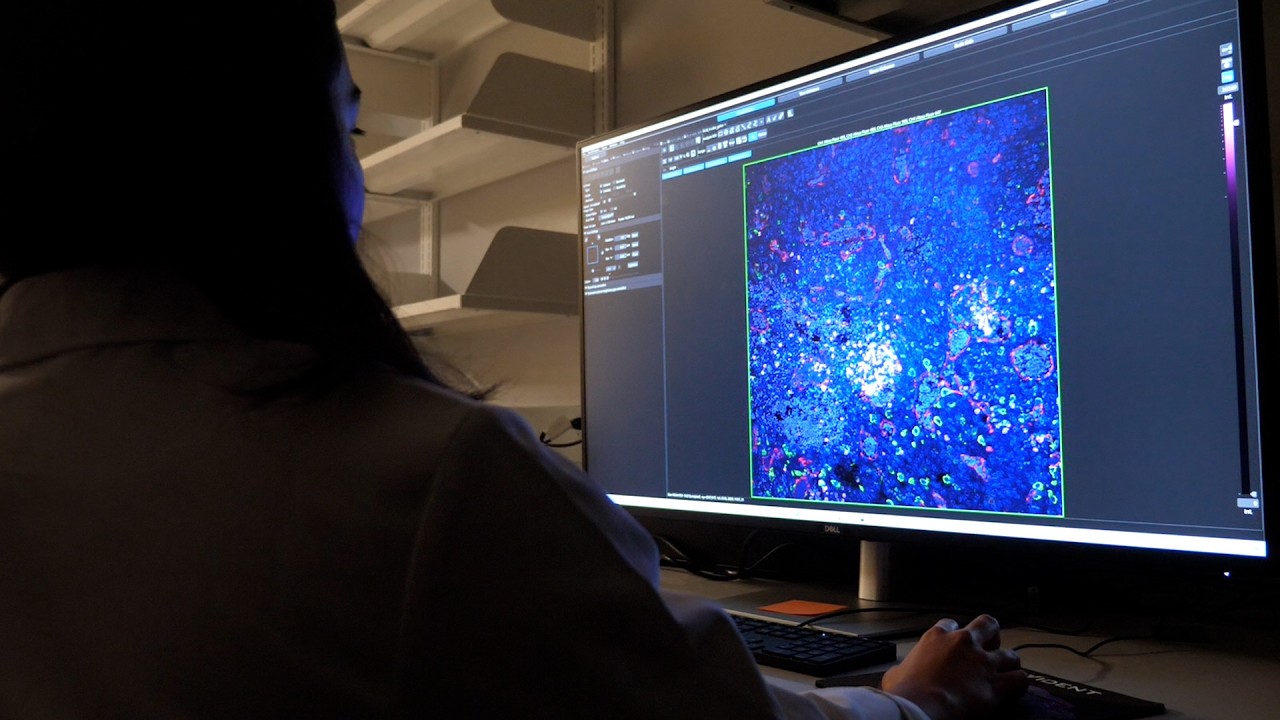
The Penn Brain Tumor Center brings together some of the most experienced specialists in neuro-oncology, neurosurgery, radiation oncology, neuropathology, and neuroradiology — united by a shared commitment to advancing what is possible for patients with brain tumors. Every patient is evaluated by a multidisciplinary team that develops a treatment plan tailored to their specific diagnosis, goals, and circumstances. With access to advanced surgical techniques and one of the most comprehensive clinical trial portfolios in the country, our patients benefit from therapies that are often available nowhere else — offering real options even in the most difficult situations.
For clinicians and scientists looking to work at the leading edge of neuro-oncology, Penn offers a rare combination of research depth and clinical scale. Our center integrates basic science, translational investigation, and clinical innovation across a collaborative, highly productive program — where laboratory findings move quickly toward patient impact. Trainees at every level benefit from close mentorship, access to exceptional resources, and the intellectual environment of one of the country's premier academic medical institutions. It is a place where rigorous science and meaningful patient care reinforce each other at every turn.
Immunotherapy for glioblastoma
For many neurosurgeons at the Penn Brain Tumor Center, the recent immunotherapy trials are a beacon of hope in the treatment of malignant brain tumors.
Combining immunotherapy with more traditional treatment approaches, like chemotherapy and radiation therapy, could be the key to a greatly improved glioblastoma prognosis. The hope is that the average life expectancy for patients with glioblastoma — around 14 months — will significantly expand due to therapies like CAR-T.
Fortunately for patients, that sort of progress is possible at the Penn Brain Tumor Center and Abramson Cancer Center who are leading the immunotherapy research efforts here at Penn under the likes of Donald M. O'Rourke, MD, and Arati S. Desai, MD.