
Our research activity spans a wide range of topics. Click the “Research Programs” title to learn more about our varied activities, including our Academic Associates research volunteers program, our Research Day program, and other highlights.
Academic associates program
The Penn Medicine Academic Associates Program (AAP) provides pre-medical and pre-health students with an opportunity to engage in clinical and translational research activities in the Emergency Departments (ED) at the Hospital of the University of Pennsylvania (HUP) and Penn Presbyterian Medical Center (PPMC).
This program is not a traditional shadowing or hospital volunteer program. Academic Associates work alongside clinical research teams to identify potentially eligible patients, support recruitment and informed consent, assist with study enrollment and data collection, and gain exposure to the day-to-day conduct of emergency medicine research. While the AAP is based within Emergency Medicine, students may support studies led by research teams across a variety of clinical disciplines, including Trauma, Neurology, Ultrasound, Obstetrics and Gynecology, and Biostatistics and Epidemiology.
Our program is led by Zachary F. Meisel, MD, MPH, MSHP, Vice Chair for Research in the Department of Emergency Medicine, and Joella Byerley, AAP Program Coordinator.
Advantages
- Interaction with faculty, physicians, trainees, clinical research staff, and fellow Academic Associates
- Hands-on exposure to clinical medicine and patient-centered research
- Career and professional development
- Opportunities to engage with the broader Penn Medicine academic community
- Potential for additional research involvement and separate clinical shadowing opportunities
- Potential for letters of recommendation based on sustained engagement and program performance
Requirements
Prospective Academic Associates:
- Must be affiliated with Penn, with preference for Pre-Health Post-Baccalaureate Program students.
- Applications from University of Pennsylvania third and fourth-year undergraduates will be considered on a case by case basis.
- For the Fall cohort, students must commit to participation across both the fall and spring semesters.
- The summer cohort is offered as a condensed, one-semester experience.
- Complete all required credentialing and immunization requirements prior to the start of the program
- Complete the required number of 6-hour Emergency Department shifts each semester.
- Students are generally scheduled for two 6-hour shifts per week, with flexibility around academic obligations as long as semester requirements are met.
- Participate in the AAP Lecture Series and other required program activities.
- Demonstrate consistent attendance, professionalism, and engagement in assigned research activities.
AAP lecture series
Academic Associates participate in a recurring lecture series designed to complement their clinical research experience. Sessions cover topics such as clinical research design, emergency and acute care medicine, career development, physician-scientist pathways, medical school preparation, health services research, and current areas of investigation across Penn Medicine.
Speakers include Penn faculty, investigators, research staff, trainees, guest experts, and former Academic Associates.
Additional academic opportunities
Students may also be invited to attend optional research meetings, departmental educational sessions, Grand Rounds, works-in-progress presentations, and other academic events across Penn Medicine. These opportunities provide additional exposure to clinical research, academic medicine, and ongoing scholarship.
How to apply & learn more
Applications for the Fall 2026–Spring 2027 AAP cohort are now closed.
Future application cycles and instructions will be posted on this page as they become available.
For more information about the Penn Medicine Academic Associates Program, please contact AAP Program Coordinator, Joella Byerley, at Joella.Byerley@pennmedicine.upenn.edu.
BOOST3 trial - "Brain oxygen optimization in severe TBI phase-3"
A research study conducted by "The Strategies to Innovate Emergency Care Clinical Trials Network (SIREN)"
What is BOOST3?
BOOST3 is a research study to learn if either of two strategies for monitoring and treating patients with Traumatic Brain Injury (TBI) in the intensive care unit (ICU) is more likely to help them get better. Both of these alternative strategies are used in standard care. It is unknown if one is more effective than the other. In one strategy doctors concentrate only on preventing high ICP (intracranial pressure) caused by a swollen brain. In the other strategy doctors try to prevent high ICP, and also try to prevent low PbtO2 (brain oxygen). It is unknown if measuring and treating low brain oxygen is more effective, less effective, or the same as monitoring and treating high brain pressure alone. The results of this study will help doctors discover if one of these methods is more safe and effective.
Research day
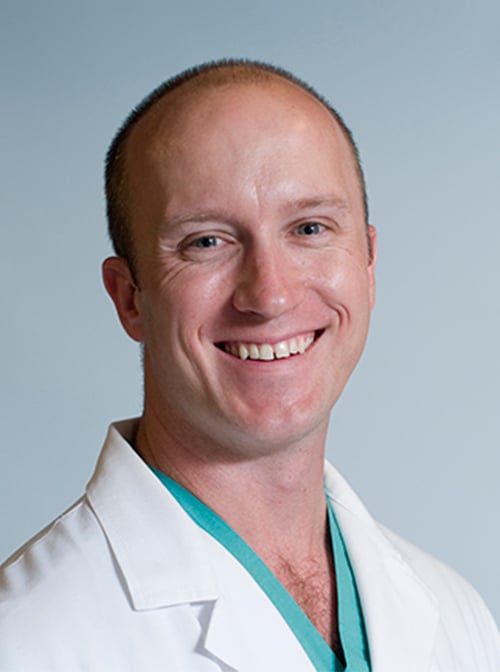
Our 14th Annual Emergency Medicine Research Day will be held on Wednesday April 22nd, 2026. 9:00am-2:00pm, at the Smilow Center for Translational Research.
EM Research Day is a terrific opportunity for the entire department to learn about each other’s scholarly activity and to share our work with the Penn Medicine community more broadly. This past academic year, we enjoyed a high quality cohort of research presentations, organized in a virtual format. Speakers represented the diverse range of our emergency medicine enterprise, including nurses, residents, faculty, and fellows from our different hospital sites – the whole spectrum of who we are as a department.
This year's keynote speaker will be Christopher Kabrhel, MD, MPH
Christopher Kabrhel MD MPH is a practicing emergency physician, Director of the Center for Vascular Emergencies at Massachusetts General Hospital (MGH), Professor of Emergency Medicine at Harvard Medical School and the MGH Endowed Chair in Emergency Medicine. Dr. Kabrhel has more than 15 years of experience performing research into the epidemiology, diagnosis, risk stratification and treatment of acute venous thromboembolism. Dr. Kabrhel's research is funded by the National Institutes of Health, as well as private foundations and industry. He coordinates venous thromboembolism research for the Nurses’ Health Study at Channing Network Medicine at the Health Professionals Follow Up Study at HSPH where he focuses on genetic epidemiology and population risk factors for VTE. To further this work, he co-founded the International Network for Venous Thromboembolism research which focuses on the genetic epidemiology of VTE. In addition to epidemiology, his current work focuses on clinical risk-stratification and novel care delivery methods for patients with acute PE. In 2012, Dr. Kabrhel co-founded the MGH Pulmonary Embolism Response Team (PERT), the first such team in the world as well as the PERT Consortium, a collaboration between PERTs in the United States, South America, Europe and Asia. Dr. Kabrhel is past chair of the PERT Consortium research committee and is on the PERT Consortium Board of Directors. He is also an honorary senior lecturer at Queen Mary University of London.
Emergency ultrasound research overview
The University of Pennsylvania
The faculty of the Department of Emergency Medicine and Division of Emergency Ultrasound are well integrated into educational and research resources of a leading nationally ranked university. The campus includes the Children’s Hospital of Philadelphia, Presbyterian Medical Center, the Veterans Administration Hospital, the Center for Clinical Epidemiology and Biostatistics and other important institutions that combine to create a robust environment for research and scientific training.
The Division of Emergency Ultrasound
The Division of Emergency Ultrasound (DEUS) was established in the Emergency Department at the University of Pennsylvania in to serve as a focal point for multidisciplinary research across the full spectrum of ultrasound science from bench to bedside. The mission of the DEUS is to advance research, education and training to improve patient care and medical education. The DEUS meets weekly to provide quality assurance and discuss ongoing research projects. The DEUS has developed a broad multidisciplinary team with expertise in procedural and diagnostic ultrasound, education and care. Collaborations with the Departments of Trauma, Critical Care, Pediatric EM, Nursing, and with the Center for Resuscitation Science have resulted in a range of scientific investigations, past and ongoing. A selection of the papers generated by this collaborative effort appears below.
The DEUS has research space less than 100 feet from the Emergency Department. The DEUS currently has 5 ultrasound machines that are used 24/7 in clinical practice, training and research. Outside of the Division, mentorship, collaboration and guidance are available from the Vice Chair for Research. The Division also has access to the full-time departmental biostatistician Dr. Francis Schoffer, in addition to access to the resources of the Center for Clinical Epidemiology and Biostatistics.
Contribution of Environment to Success of the DEUS
The DEUS has had a track record of successful funding and publication in part due to the extensive resources available at Penn and in the University of Pennsylvania Health System and hospitals. These resources include grant support personnel, experts in data acquisition, entry, management, and analysis, and electronic charting tools that facilitate data access and acquisition. Strong support from the Chair of the Department of Emergency Medicine and relevant leadership has been instrumental in our productivity. The DEUS at HUP provides a unique opportunity for aspiring investigators to assess how ultrasound technology can be used in the treatment and care of Emergency Department patients and to advance the knowledge of our subspecialty.